🧬 Book DNA
- 🏷️ Genre: 🎓 Coming-of-Age • 💘 Romance • 📚 Literature & Fiction
- 🧠 Mood: Melancholic • Tense • Provocative • Analytical
- 🚀 Pacing: Medium
- 🧩 Complexity: Moderate
- 🎯 Perfect For: Fans of "Fleabag" • Millennials • Deep Thinking • Morning Coffee
- 📏 Length: 336
📑 Table of Contents
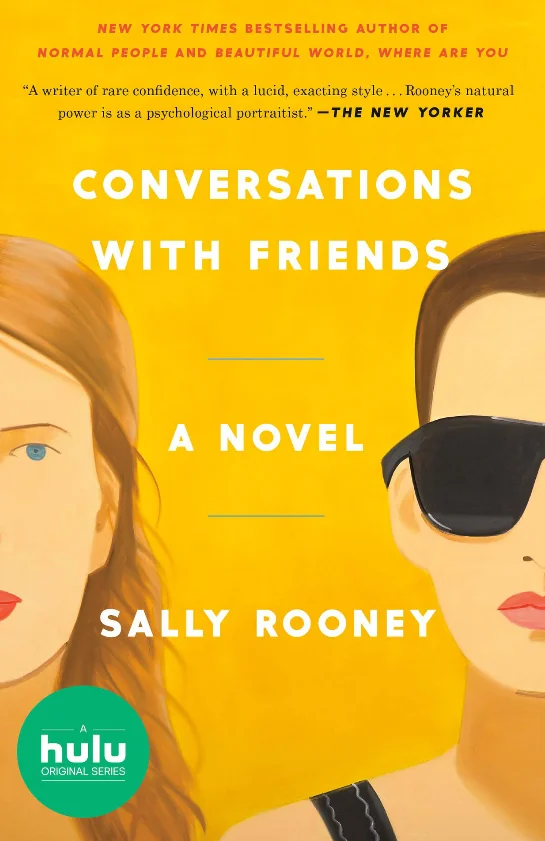
Introduction: The Debut That Started a Cult
Before Normal People became a global phenomenon, Sally Rooney quietly released a novel that would define a generation of literary fiction. Conversations with Friends is the book that introduced the world to Rooney’s specific brand of “millennial deadpan”—a style so distinct that it earned her a spot on the Time 100 Next list.
Described by Entertainment Weekly as a “cult-hit” and a “sharply realistic comedy of adultery and friendship”, this novel is not your typical romance. It is sharper, colder, and perhaps more intellectually rigorous than its successors. It captures the specific anxiety of being young, gifted, and entirely unsure of who you are.
In this Conversations with Friends review, we will explore why this story of four people entangled in a web of love and betrayal is considered one of the best books of the decade by Buzzfeed and The Telegraph.
The Plot: A Comedy of Adultery
The narrative centers on Frances, a 21-year-old college student in Dublin. Frances is “coolheaded and darkly observant,” vaguely pursuing a career in writing. She navigates the world with her best friend (and ex-girlfriend), the “beautiful and endlessly self-possessed” Bobbi.
The two perform spoken-word poetry together. At a local performance one night, they meet Melissa, a well-known photographer and essayist. Melissa is older, sophisticated, and wealthy. As the girls are “gradually drawn into her world,” Frances finds herself reluctantly impressed by Melissa’s sophisticated home and, more importantly, her handsome husband, Nick.
What starts as an amusing flirtation between Frances and Nick quickly spirals into something much deeper. It gives way to a “strange—and then painful—intimacy”. This isn’t just a story about cheating; it is a complex geometry of relationships. Frances, Bobbi, Nick, and Melissa form a quartet where every conversation is loaded with subtext, power dynamics, and suppressed emotion.
Character Analysis: Frances and Bobbi
Sally Rooney’s natural power is as a “psychological portraitist”. She creates characters that feel frustratingly real.
Frances: Frances is the narrator and the lens through which we view this world. She prides herself on being unemotional and intellectual. She views her own life with a “lucid, exacting style”. However, this is often a defense mechanism. As The New Yorker notes, Frances is “acute and sophisticated about the workings of innocence,” yet she has no idea how much growing up she still has to do. She is a “self-destructive woman” who is alert to the invisible bars imprisoning her.
Bobbi: Bobbi is the sun around which Frances orbits. She is vocal, political, and intimidatingly confident. The dynamic between them is the heartbeat of the novel. While the plot is driven by the affair with Nick, the emotional core is the friendship with Bobbi.
Nick: Nick is a depressive actor who becomes the object of Frances’s desire. He is passive where Frances is analytical. Their relationship challenges Frances’s belief that she is immune to romantic clichés.
Themes: The Messy Edges of Female Friendship
While the book is often marketed as a romance, it is “wonderfully alive to… the messy edges of female friendship”.
The Ethics of Relationships: Rooney offers an “unapologetic perspective on the vagaries of relationships”. The characters constantly discuss the morality of their actions. Is monogamy natural? Is capitalism destroying their ability to love? These conversations are not just filler; they are the battlefield where the characters fight for dominance.
Power and Class: Like in Normal People, class plays a huge role in Conversations with Friends. Frances is poor; Nick and Melissa are rich. This economic disparity creates a “novel of delicious frictions”. Frances feels inferior due to her bank account but superior due to her intellect.
The Body and Illness: Frances suffers from a chronic illness (endometriosis, though it takes time to be diagnosed) throughout the book. Rooney writes about the “mentality and physicality” of being a young woman. The betrayal of the body mirrors the betrayal in her relationships.
Rooney’s Style: Lucid and Exacting
The prose in Conversations with Friends is often described as written with “gemlike precision”.
Rooney does not use quotation marks. This stylistic choice makes the dialogue flow seamlessly into Frances’s internal monologue. It suggests that for these characters, the internet, text messages, and real-life conversations are all part of the same continuous stream of consciousness.
Curtis Sittenfeld notes that Rooney has a “magical ability to write scenes of such verisimilitude that even when little happens they’re suspenseful”. You are hanging on every text message, every pause in conversation. It creates a sense of “high stakes” in everyday life.
Read our review of Normal People by Sally Rooney
Book vs. Series: The Hulu Adaptation
Following the massive success of the Normal People adaptation, Conversations with Friends was adapted into a Hulu original series.
While the series captures the aesthetic of the book—the rainy Dublin streets, the awkward silences—it was more divisive than its predecessor. The novel relies heavily on Frances’s internal voice. Without access to her “darkly observant” thoughts, she can appear cold or aloof on screen. To truly understand why Nick falls for her, and why Bobbi sticks around, the book is essential reading.
Critical Reception
The debut was met with almost universal acclaim, heralded as the arrival of a “bright new talent”.
- Sarah Jessica Parker posted on Instagram: “This book. This book. I read it in one day. I hear I’m not alone.”
- Vogue called it a “smart, sexy, realistic portrayal of a woman finding herself.”
- Slate noted that the book “sparkles with controlled rhetoric” and emphasizes the truths exploding in the silences.
- The Sunday Times called it an “addictive debut” with nods to Tender is the Night.
It was shortlisted for the International Dublin Literary Award and won the Sunday Times Young Writer of the Year Award.
Final Verdict
Conversations with Friends is a “coming-of-age story that’s weightier and wiser than you might expect”.
It is a novel for anyone who has ever felt like an imposter in their own life. It is for those who overthink every text message and analyze every social interaction. Frances is a heroine for the over-educated and under-employed generation.
If you enjoyed the “papercut-sharp sensibility” of Normal People, you will find the roots of that genius here. It is a “masterpiece of the literary page-turner” that demands to be read in one sitting.
Rating: ⭐⭐⭐⭐⭐ (5/5)
Frequently Asked Questions (FAQ)
Q: Is Conversations with Friends connected to Normal People? A: No, they are standalone novels with different characters. However, they share similar themes, settings (Dublin/Trinity College), and writing styles.
Q: Which should I read first: Normal People or Conversations with Friends? A: Conversations with Friends was published first (2017). Reading it first allows you to see the evolution of Rooney’s style, but they can be read in any order.
Q: Is the book sad? A: It is melancholic and deals with self-destruction, illness, and heartbreak, but it is also described as a “comedy” due to its wit and irony.
Q: Does Conversations with Friends have a happy ending? A: The ending is ambiguous. It suggests a cycle of behavior continuing, which some readers find hopeful and others find frustrating.
Conversations with Friends Review: 5 Reasons This Addictive Cult Hit is a Masterpiece
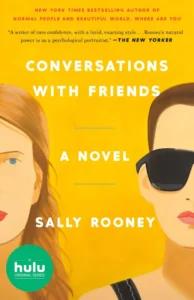
Before Normal People became a global phenomenon, Sally Rooney quietly released a novel that would define a generation of literary fiction. Conversations with Friends is the book that introduced the world to Rooney's specific brand of "millennial deadpan"—a style so distinct that it earned her a spot on the Time 100 Next list.
URL: https://review-space.com/reviews/conversations-with-friends/
Author: Sally Rooney
9
Pros
- Sharp Wit: The dialogue is "superb" and darkly funny.
- Realistic Characters: Flawed, frustrating, and incredibly real protagonists.
- Modern Themes: Perfectly captures communication in the age of electronic devices.
- Addictive: A "page-turning portrait" that is hard to put down.
Cons
- Unlikable Narrator: Frances can be cold and self-sabotaging, which frustrates some readers.
- Lack of Quotation Marks: A stylistic choice that some find difficult to read.
- Open Ending: The conclusion is ambiguous and messy, much like real life.